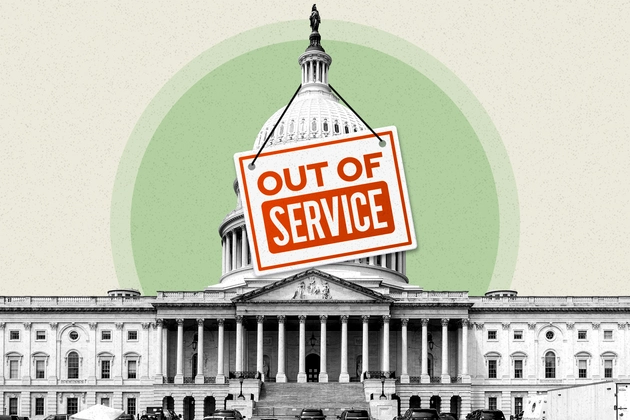
On October 1, the US federal government shut down, marking the first such closure since 2019. The shutdown, triggered by a contentious spending dispute between President Donald Trump and congressional Democrats, has disrupted federal services and furloughed many federal workers. The current shutdown echoes a 35-day closure in 2018/2019, when President Donald Trump and congressional Democrats clashed over funding for a southern border wall. The central issue behind this most recent government shutdown is the Democrats’ insistence that President Trump agree to extend expiring health care subsidies and reverse Medicaid cuts included in his signature tax cut and domestic policy law passed earlier in 2025. These health care provisions, particularly the Affordable Care Act (ACA) subsidies set to expire by year’s end, are critical to millions of Americans’ access to affordable insurance.
The deadlock became inevitable on the night of September 30, when Senate Democrats blocked a Republican proposal to extend federal funding through November 21. In a 55-to-45 vote, the Republican plan failed to secure the 60 votes needed for passage. In retaliation, Republicans blocked a Democratic counterproposal that would have extended funding through October and allocated over $1 trillion for health care programs, by a vote of 47 to 53. The failure of both proposals led White House budget director Russell T. Vought to instruct federal agencies to implement “orderly shutdown” plans.
The shutdown reflects deep partisan divisions, with both sides digging in. Senate Majority Leader John Thune (R-SD) accused Democrats of bowing to their “far-left base” and forcing a confrontation with the president, claiming that their actions would harm the American public. Thune emphasized that Senate Republicans would hold daily votes to pressure Democrats into supporting government funding extensions. Democrats, led by Senate Minority Leader Chuck Schumer (D-NY), remain steadfast, arguing that the expiration of ACA subsidies and Medicaid cuts could lead to a health care crisis. Schumer warned that without action, Americans could face monthly health insurance cost increases of $400 to $600. He urged President Donald Trump and Republicans to prioritize health care solutions, noting that public opinion polls favor Democrats on this issue. The Congressional Budget Office projects that allowing ACA tax credits to lapse could result in four million Americans losing coverage starting in 2026, with an additional 20 million facing higher costs and 10 million becoming uninsured by 2034.
President Donald Trump has taken a combative stance, framing the shutdown as an opportunity to target Democratic priorities. In public statements, he suggested that a shutdown could allow him to eliminate federal programs favored by Democrats and lay off federal workers aligned with the party. “A lot of good can come down from shutdowns,” Trump remarked, signaling his intent to use the closure to advance his political agenda.
While most Democrats have united behind Schumer’s strategy, a few broke ranks to support the Republican funding plan, including Senators Catherine Cortez Masto (D-NV), John Fetterman (D-PA) (arguably the Democratic Senator most aligned with the MAGA movement on a majority of public policy issues), and Angus King (I-ME). On the Republican side, Senator Rand Paul (R-KY) was the sole dissenter against his party’s proposal. These defections highlight the complexity of the negotiations, as some lawmakers face pressure from constituents or upcoming re-elections.
Democrats argue that their focus on health care resonates with voters, particularly after backlash from liberal activists in March when some Senate Democrats supported a stopgap funding bill. This time, Democrats are leveraging the health care issue to challenge Trump and Republicans, daring them to reject popular programs like ACA subsidies. Republicans, however, have accused Democrats of holding government funding “hostage” to secure health care concessions. Senate Majority Leader John Thune has expressed willingness to negotiate on extending ACA tax credits separately, but insists that such discussions should occur while the government remains operational.
The shutdown has also amplified partisan rhetoric. On September 29, President Donald Trump met with congressional leaders but later posted an AI-generated video mocking Democratic leaders, including Hakeem Jeffries and Chuck Schumer. The video, which featured offensive caricatures and fabricated quotes, falsely attributed statements to Chuck Schumer claiming Democrats aimed to provide free health care to undocumented immigrants to secure their votes, a debunked conspiracy theory. In response, Jeffries posted a photo of Trump with Jeffrey Epstein, captioning it “This is real” and condemning bigotry. Such exchanges underscore the toxic atmosphere surrounding the shutdown, with both sides using social media to inflame tensions. Republicans have continued to push misleading narratives, including claims that Democrats are prioritizing health care for unauthorized immigrants over government funding, further polarizing the debate.
The immediate consequences of the shutdown include the suspension of non-essential federal services and the furlough of thousands of federal workers. Essential services, such as Social Security payments and national defense operations, will continue, but many agencies will face disruptions, affecting everything from national parks to regulatory oversight.
As the standoff continues, the political fallout will likely shape the narrative heading into the 2026 midterm elections. Both parties are betting on their ability to sway public opinion, with Democrats banking on health care’s broad appeal and Republicans framing Democrats as obstructionists. For now, the American public awaits a resolution while grappling with the real-world impacts of a government in gridlock.
Leave a Reply